
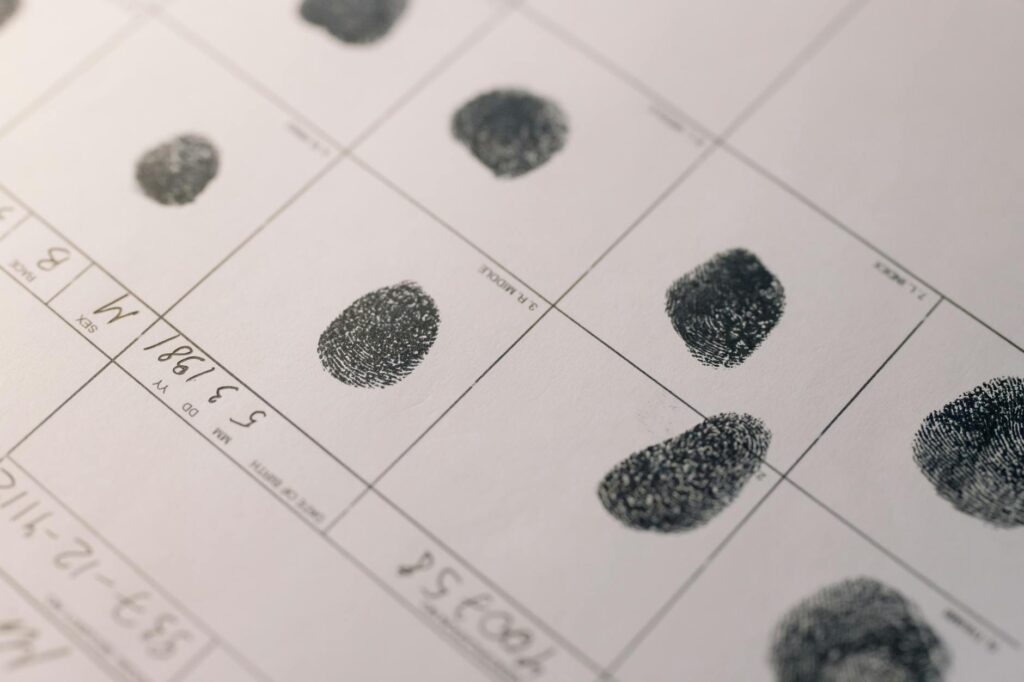
DNA Fingerprinting: A Breakthrough in Forensic Science
DNA fingerprinting, also known as DNA profiling, is a technique used to identify an individual based on their unique DNA characteristics. This method has revolutionized the field of forensic science, enabling investigators to solve crimes and identify human remains with unprecedented accuracy.
The concept of genetic fingerprinting was first introduced by British geneticist Alec Jeffreys in 1984. Jeffreys discovered that certain regions of the genome contain repetitive sequences of DNA, known as short tandem repeats (STRs), which vary significantly from one individual to another. By analyzing these STRs, investigators can create a unique DNA profile for each individual.
The process of DNA fingerprinting involves several steps. First, a sample of DNA is extracted from a biological specimen, such as blood, saliva, or tissue. The DNA is then amplified using a technique called polymerase chain reaction (PCR), which generates millions of copies of the target DNA sequences. The amplified DNA is then analyzed using various techniques, including gel electrophoresis and capillary electrophoresis, to separate and visualize the DNA fragments.
The resulting DNA profile is a unique combination of alleles at specific loci, which can be used to identify an individual with a high degree of certainty. In forensic applications, DNA profiling is often used to compare a DNA sample from a crime scene to a DNA sample from a suspect or victim. If the two DNA profiles match, it can provide strong evidence of the individual’s involvement in the crime.
Some of the key applications of DNA fingerprinting include:
- Paternity testing: to determine whether a man is the biological father of a child
- Forensic analysis: to identify human remains, solve crimes, and exonerate wrongfully convicted individuals
- Genealogy: to reconstruct family trees and identify ancestral relationships
- Medical research: to study the genetics of diseases and develop personalized treatments
In conclusion, DNA fingerprinting is a powerful tool that has revolutionized the field of forensic science and beyond. Its applications are diverse and continue to expand, from solving crimes and identifying human remains to reconstructing family trees and advancing medical research. As the technology continues to evolve, it is likely that DNA profiling will play an increasingly important role in shaping our understanding of human genetics and improving our lives.