
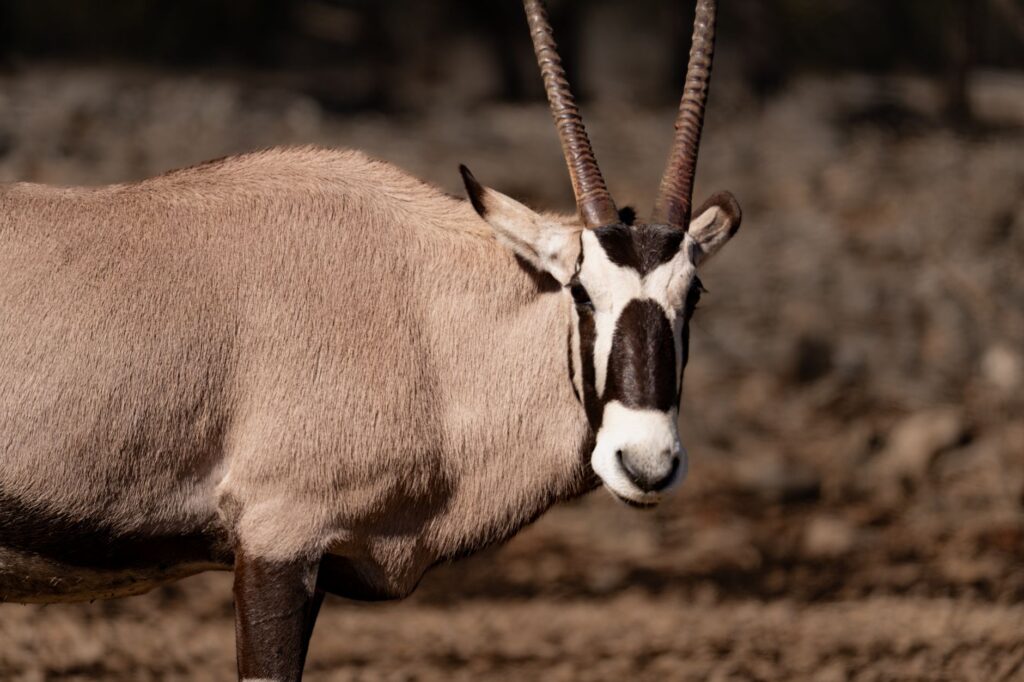
In this article you will discover why African antelopes called gemsbok have moved more than 100 km from their release site in New Mexico, how their desert‑ready traits help them thrive, and what the findings mean for the study of climate change in biology. The discussion links directly to NCERT chapters on adaptation, ecology and invasive species, giving you concrete material for NEET and board exams.
Background: Gemsbok and Their Desert Adaptations
Gemsbok (Oryx gazella) are large antelopes native to the arid plains of southern Africa. Their bodies are built for life where water is scarce and temperatures swing wildly. In the NCERT Class 12 textbook, the chapter “Ecology and Environment” lists several physiological and behavioural strategies that enable desert mammals to survive. These strategies are also highlighted in Class 11 under “Adaptations of Organisms to Their Environment”.
Key adaptations of gemsbok
- Efficient water use: Gemsbok can obtain moisture from the plants they eat and from metabolic water, reducing the need to drink.
- Thermoregulation: Light‑coloured coat reflects sunlight, while a network of blood vessels in the skin dissipates heat.
- Reduced sweating: Unlike many mammals, they sweat very little, conserving water.
- Long limbs and hooves: These enable swift movement over sandy terrain and prevent sinking.
These traits are classic examples of adaptation that the NCERT curriculum expects you to describe with real‑world examples.
Desert biome context
The desert biome is characterised by low precipitation, high evapotranspiration, and extreme temperature fluctuations. Organisms that inhabit deserts must balance water loss with heat gain. The gemsbok’s suite of adaptations mirrors the textbook description of “physiological, behavioural and morphological” changes that allow survival in such harsh habitats.
The Research Findings: How Far Gemsbok Have Spread
Researchers from the University of Illinois Urbana‑Champaign examined the distribution of gemsbok in the U.S. Southwest, focusing on New Mexico where the species was introduced as a game animal in the 1960s and 1970s. Their field surveys and satellite‑based habitat modelling revealed two main points:
- The antelopes have expanded their range by more than 100 kilometres (62 miles) from the original release site.
- The rapid spread is attributed to the gemsbok’s “exceptional adaptations to arid conditions”, which allow them to colonise areas that were previously considered unsuitable for large herbivores.
The authors project that, as the regional climate becomes hotter and drier, the suitable habitat for gemsbok could increase dramatically, potentially allowing the species to move further north and east across the American Southwest.
Why These Findings Matter for Biology Students
Understanding the gemsbok case connects several core concepts in the CBSE syllabus:
- Ecological niches: The antelopes illustrate how a species can occupy a niche originally filled by native desert mammals, prompting discussions on niche overlap and competition.
- Invasive species dynamics: Although gemsbok were deliberately introduced, their unchecked spread mirrors the behaviour of invasive organisms. The NCERT chapter on “Invasive Species” uses examples like the cane toad; gemsbok add a mammalian perspective.
- Climate‑driven range shifts: The study provides a real‑time example of the textbook prediction that warming climates push species toward higher latitudes or elevations.
- Conservation implications: Managing a non‑native large herbivore raises questions about habitat management, predator‑prey balance, and human‑wildlife conflict—topics that appear in “Biodiversity and Conservation” sections.
For NEET, the gemsbok story can be turned into a diagrammatic question on “Factors influencing species distribution” where you list abiotic (temperature, precipitation) and biotic (competition, predation) factors.
Open Questions and Future Directions
While the research outlines a clear pattern of expansion, several uncertainties remain:
- Impact on native flora and fauna: Will gemsbok over‑graze certain plant species, altering the desert plant community?
- Predator interactions: Are local predators, such as coyotes or mountain lions, adapting their hunting strategies to include this new prey?
- Long‑term climate scenarios: How will extreme events like droughts influence the survival of gemsbok versus native ungulates?
- Management policies: What regulatory frameworks could balance hunting interests with ecological integrity?
Answering these questions will require interdisciplinary studies, combining field ecology, climate modelling, and wildlife management—exactly the kind of integrated thinking that the NEET and board exams reward.
How to Use This Knowledge for NEET and Board Exams
Below are practical ways to turn the gemsbok case into exam‑ready material:
- Concept mapping: Create a map linking “adaptation”, “desert biome”, “climate change”, and “invasive species”. This visual aid mirrors the NCERT’s emphasis on interconnectedness.
- Answering long‑answer questions: When asked about “effects of climate change on species distribution”, cite the gemsbok as a concrete example of a species expanding its range due to arid‑adapted traits.
- Data interpretation practice: Use the 100 km expansion figure to practice calculations of rate of spread (km per decade) and discuss factors that could accelerate or slow it.
- Diagram drawing: Sketch the thermoregulatory features of gemsbok (light coat, vascular network) alongside a desert plant’s adaptations, highlighting convergent strategies.
- Multiple‑choice preparation: Form MCQs such as “Which of the following is NOT an adaptation of gemsbok to desert life?” and include plausible distractors based on textbook content.
Integrating the research into revision notes not only enriches your answers but also demonstrates awareness of contemporary scientific developments—something examiners appreciate.
Important Questions for NEET and Boards
- Describe two physiological adaptations that enable gemsbok to survive in arid environments.
- Explain how climate change can influence the geographical range of a species, using gemsbok as an example.
- What are the potential ecological consequences of introducing a non‑native large herbivore into a desert ecosystem?
- Compare the water‑conservation strategies of gemsbok with those of a typical desert rodent.
- How does the concept of “niche overlap” apply to the spread of gemsbok in New Mexico?
- Identify three abiotic factors that determine the suitability of a habitat for desert‑adapted mammals.
- Discuss the role of predator‑prey dynamics in controlling the population of an introduced species.
- Outline a management plan that could mitigate the impact of gemsbok on native vegetation while preserving hunting interests.
Frequently Asked Questions
Are gemsbok considered an invasive species in the United States?
Because they were deliberately introduced and have expanded beyond the release site, gemsbok exhibit many traits of invasive species, though they are not yet classified officially as such.
What specific trait allows gemsbok to obtain water without drinking?
They efficiently extract metabolic water from the oxidation of food and can tolerate high plasma osmolarity, reducing the need for direct water intake.
Will rising temperatures always favour gemsbok over native species?
Not necessarily; extreme heat can exceed the tolerance limits of any species, and competition for limited forage may still disadvantage gemsbok.
How can students link this case to the NCERT chapter on “Ecology and Environment”?
By treating the gemsbok as a case study of range shift, adaptation, and invasive potential, students can illustrate textbook concepts with a real‑world example.
Key Takeaways
- Gemsbok have spread >100 km in New Mexico due to their desert‑adapted physiology.
- Their expansion exemplifies how climate change can create new suitable habitats for arid‑adapted species.
- Understanding these adaptations reinforces NCERT topics on adaptation, desert biomes, and invasive species.
- Exam questions can draw on this case to test knowledge of species distribution, ecological impact, and climate‑driven changes.
- Open research areas include impacts on native flora, predator adjustments, and long‑term management strategies.
- Linking contemporary research to textbook theory enhances answer depth and demonstrates scientific literacy.
- For detailed data and methodology, refer to the original research report.
Source: Read the original research report.
Related Study Material from iBioKaare
- Genetics and Evolution: Key NCERT Concepts for NEET
- Human Reproductive System: NEET Biology Revision Notes
- Photosynthesis in Higher Plants: NEET and Board Important Questions