
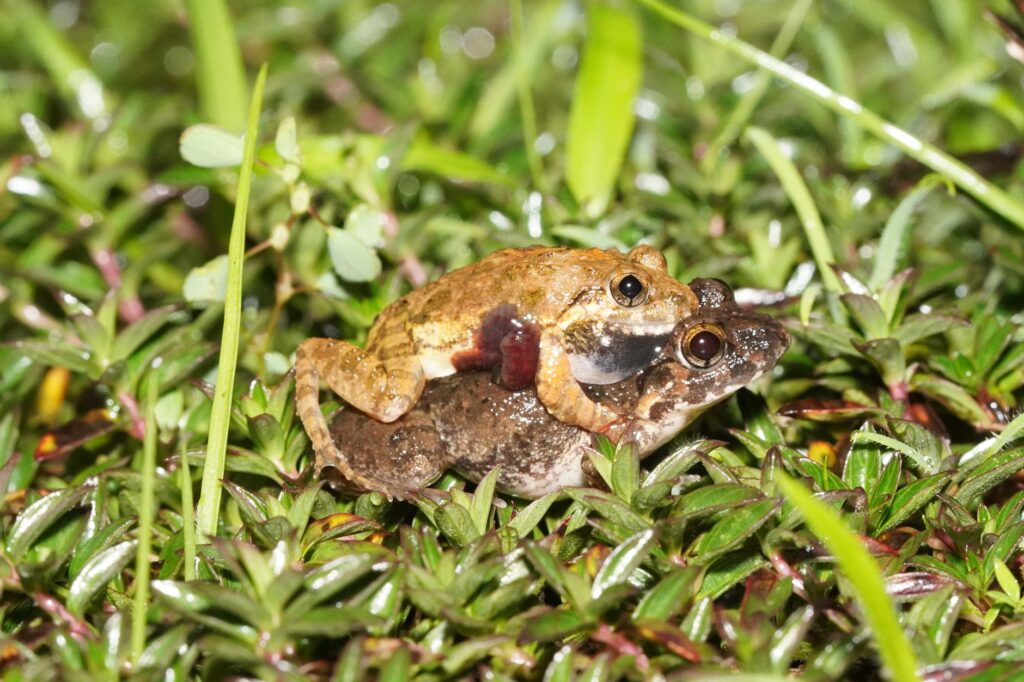
In this article you will learn how new species arise, the barriers that keep them separate, and why these concepts matter for exams and real‑world biology. We start from the basic definition of a species and move toward the latest genomic insights that scientists use to untangle complex speciation events.
Fundamentals of Speciation
What is a species?
The species concept most often used in biology is the Biological Species Concept (BSC). According to the BSC, a species is a group of interbreeding natural populations that are reproductively isolated from other such groups. This definition emphasizes the role of gene flow: when gene exchange stops, independent evolutionary trajectories can begin.
Why does speciation matter?
Speciation is the engine of biodiversity. Every novel trait that helps a lineage adapt to a new niche can, over time, become fixed in an isolated population, eventually giving rise to a distinct species. Understanding how isolation occurs helps you answer board questions on evolution and prepares you for NEET items that link genetics, ecology, and evolution.
Mechanisms of Reproductive Isolation
Reproductive isolation (RI) can be split into two broad categories: pre‑zygotic barriers that prevent fertilisation and post‑zygotic barriers that reduce the fitness of hybrids. The two groups often act together, creating a multilayered defence against gene flow.
Pre‑zygotic barriers
- Temporal isolation: Mating seasons do not overlap. For example, two frog species that breed at different times of the monsoon remain separate.
- Ecological (habitat) isolation: Populations occupy different micro‑habitats within the same area, limiting encounters.
- Behavioral isolation: Distinct courtship songs, pheromones or visual displays attract only conspecific mates. The Indian fruit fly Drosophila melanogaster uses a unique wing‑vibration pattern.
- Mechanical isolation: Mating structures are incompatible, as seen in many insects with species‑specific genitalia.
- Gametic isolation: Even if sperm reaches the egg, biochemical incompatibility prevents fertilisation. Many marine invertebrates rely on species‑specific egg coat proteins.
Post‑zygotic barriers
- Hybrid inviability: Hybrids die early or develop poorly. Crosses between the Himalayan and Western snow leopards often produce embryos that fail to develop.
- Hybrid sterility: Surviving hybrids cannot reproduce. The classic mule (horse × donkey) exemplifies this barrier.
- Hybrid breakdown: First‑generation hybrids are fertile, but their offspring suffer reduced fitness.
Comparison of pre‑ and post‑zygotic barriers
| Aspect | Pre‑zygotic | Post‑zygotic |
|---|---|---|
| Stage affected | Before fertilisation | After fertilisation |
| Typical strength | Often strong; prevents hybrid formation | Variable; may act later |
| Evolutionary advantage | Saves energy by avoiding wasted matings | Provides a “backup” when pre‑zygotic barriers are weak |
| Examples | Temporal, behavioural, gametic isolation | Hybrid sterility, inviability |
Modes of Speciation
Allopatric speciation
Geographic separation is the most common route to new species. When a river changes course or a mountain range rises, populations become isolated, allowing independent mutation, drift, and selection. The classic example involves the finches of the Galápagos Islands, each island harbouring a distinct species.
For a concise visual explanation, see the Allopatric speciation module on Khan Academy.
Parapatric and peripatric speciation
In parapatric speciation, neighbouring populations experience a gradient of environmental conditions. Gene flow is reduced but not eliminated, leading to a cline of adaptive traits. Peripatric speciation is a special case where a small peripheral group breaks off; genetic drift plays a larger role. Island dwarfism in the dwarf elephants of the Mediterranean is a peripatric example.
Sympatric speciation
Here, new species arise within the same geographic area. Strong ecological or behavioural divergence is required to overcome gene flow. Polyploidy in flowering plants, such as the wheat species Triticum aestivum, is a textbook case. In animals, the apple maggot fly Rhagoletis pomonella shifted from hawthorn to apple hosts, creating reproductive barriers despite overlapping ranges.
Real‑world illustrations
- Darwin’s finches: beak size evolved in response to seed availability on different islands.
- Cichlid fishes in Africa’s Great Rift Lakes: rapid colour‑pattern diversification drives sexual selection and speciation.
- Hybrid zones: regions where two partially isolated species meet and interbreed, providing natural laboratories for studying RI. The European fire‑bellied toad hybrid zone is well documented.
For an in‑depth look at hybrid zones, consult the Hybrid zones article on LibreTexts.
Genetic Basis and Modern Insights
Gene flow, drift, and selection
Speciation is a balance between forces that homogenise populations (gene flow) and those that create differences (mutation, drift, natural selection). When selection on a trait is strong enough to outweigh gene flow, allele frequencies diverge, setting the stage for RI.
Genomic islands of divergence
Whole‑genome sequencing now reveals that only a small fraction of the genome—so‑called “genomic islands”—may harbour the loci responsible for reproductive barriers. These islands often contain genes linked to mate choice, ecological adaptation, or hybrid incompatibility.
Speciation genes in model organisms
In fruit flies, the OdsH gene influences hybrid sterility by affecting chromatin structure. Similar “speciation genes” have been identified in mice (Prdm9) and in Anopheles mosquitoes, where they affect mating‑time preferences.
Recent scientific context
Recent reviews in high‑impact journals summarise how comparative genomics across dozens of species is reshaping our view of speciation. For a peer‑reviewed overview, see the article Genomic studies of speciation on NCBI. The authors emphasise that while classic models (allopatric, sympatric) remain useful, many natural cases involve a mosaic of mechanisms.
Applications and Relevance
Conservation biology
Identifying cryptic species—morphologically similar but genetically distinct—prevents the loss of unique evolutionary lineages. The Indian gharial (Gavialis gangeticus) and the false gharial (Tomistoma schlegelii) were once considered a single species; molecular work clarified their separate status, influencing protection measures.
Agriculture and pest management
Understanding RI helps design sterile‑male release programmes for pest control. In the Mediterranean fruit fly, releasing males that cannot successfully mate with wild females reduces the population without chemicals.
Medical significance
Vector species that transmit malaria or dengue often comprise several cryptic species with differing insecticide resistance. Accurate species delimitation guides public‑health interventions.
Link to NCERT syllabus
The concepts of speciation and reproductive isolation appear in Class 12 Biology Chapter 18 “Evolution”. The NCERT curriculum explicitly asks students to “explain various modes of speciation and give examples”. You can review the syllabus on the NCERT Biology syllabus page.
Important Questions for NEET and Boards
- Define the Biological Species Concept and list its limitations.
- Explain temporal isolation with a suitable example from Indian fauna.
- Distinguish between pre‑zygotic and post‑zygotic barriers, providing two examples of each.
- Describe allopatric speciation and illustrate it with the finches of the Galápagos Islands.
- What is a hybrid zone? Discuss its significance in studying reproductive isolation.
- How does polyploidy lead to sympatric speciation in plants? Give an example.
- Explain the role of “genomic islands of divergence” in modern speciation research.
- Why is recognizing cryptic species important for conservation? Cite a case study from India.
- Discuss how knowledge of reproductive isolation can improve sterile‑male pest‑control programmes.
- Outline the steps you would take to determine whether two neighbouring populations of a frog represent distinct species.
Frequently Asked Questions
Can two populations be considered separate species if they can still produce fertile hybrids?
Yes. The BSC treats the ability to produce fertile offspring as a key criterion, but many taxonomists also consider ecological, behavioural, and genetic distinctiveness. In practice, scientists may recognise “species complexes” where hybridisation occurs but does not erase differences.
Is reproductive isolation always permanent?
Not necessarily. In some hybrid zones, gene flow can resume if environmental conditions change, leading to “speciation reversal”. However, strong pre‑zygotic barriers tend to be more durable than post‑zygotic ones.
How do scientists detect reproductive barriers in the field?
Field studies combine behavioural observations (courtship displays, mating times), ecological surveys (habitat use), and molecular tools (DNA barcoding, genome sequencing) to assess gene flow and hybrid fitness.
Do plants follow the same speciation mechanisms as animals?
Plants often rely on polyploidy and self‑incompatibility systems, which are less common in animals. Nevertheless, ecological and pollinator‑driven isolation are shared mechanisms across kingdoms.
Key Takeaways
- Speciation is the evolutionary process that creates distinct species when gene flow ceases.
- Reproductive isolation can be pre‑zygotic (preventing fertilisation) or post‑zygotic (reducing hybrid fitness).
- Allopatric speciation is the most frequent mode; sympatric speciation requires strong ecological or genetic factors.
- Modern genomics reveals that a few “speciation genes” within genomic islands can drive RI.
- Accurate species delimitation aids conservation, pest control, and disease‑vector management.
- NCERT Chapter 18 “Evolution” covers all the concepts discussed, making this guide directly useful for board exams.
- Practising the listed NEET‑style questions will strengthen your ability to integrate genetics, ecology, and evolution.
Related Study Material from iBioKaare
- Advanced Insights into Microbes in Human Welfare: Beyond the NCERT
- How Gemsbok Expand in New Mexico: Climate‑Change Lessons for Biology
- Genetics and Evolution: Key NCERT Concepts for NEET
- Human Reproductive System: NEET Biology Revision Notes