
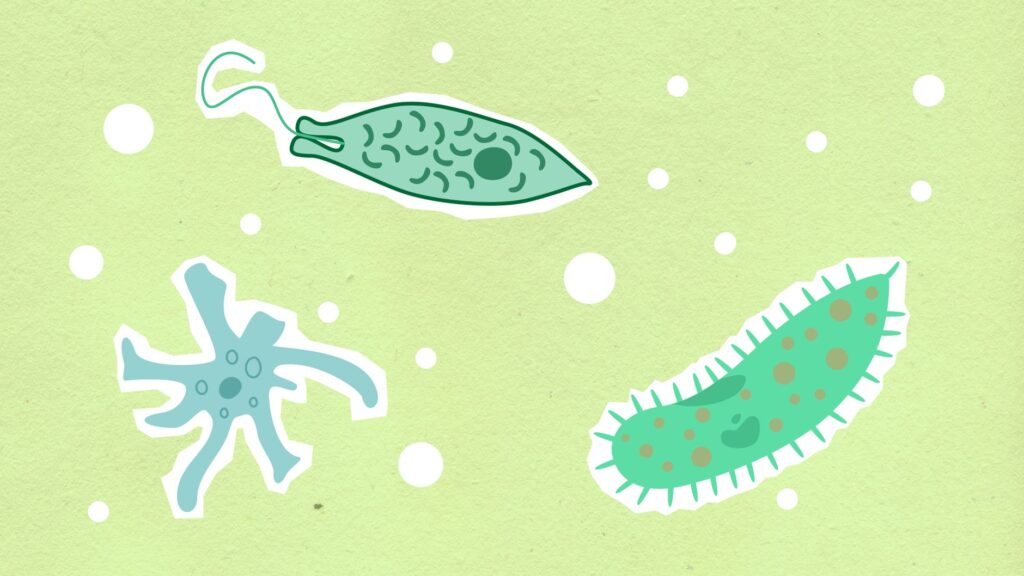
In this article you will explore the fundamental roles of microbes that are covered in the NCERT chapter “Microbes in Human Welfare” and then move on to cutting‑edge applications, research trends and common misconceptions. The discussion is designed to help you answer higher‑order NEET questions and to connect textbook concepts with real‑world biotechnology.
Core Concepts Revisited
Why microbes matter
Microorganisms are the smallest living entities, yet they drive processes that sustain human life. From the production of antibiotics that save millions of lives to the fermentation of foods that form a staple part of Indian diets, microbes are indispensable.
Key categories covered in the textbook
- Beneficial bacteria – nitrogen‑fixing rhizobia, lactic acid bacteria, and probiotic strains.
- Fungi – molds used in drug synthesis (e.g., Penicillium) and food processing (e.g., Saccharomyces).
- Algae – sources of vitamins and bio‑fuels.
- Viruses – vectors in gene therapy and vaccine development.
Fundamental biochemical pathways
Two metabolic routes dominate microbial utility: fermentation and aerobic respiration. Fermentation enables the conversion of sugars into ethanol, lactic acid or acetate, providing energy under anaerobic conditions and yielding products of commercial importance.
Advanced Applications and Recent Research
Industrial enzymes and green chemistry
Enzymes such as cellulases, amylases and lipases are now produced by genetically engineered microbes at an industrial scale. Their use reduces reliance on harsh chemicals, lowers energy consumption and minimizes waste. For example, Trichoderma reesei cellulases are employed in the pretreatment of lignocellulosic biomass for second‑generation bioethanol.
Microbial synthesis of high‑value compounds
Beyond traditional antibiotics, microbes are engineered to produce non‑ribosomal peptides, polyketides and even complex alkaloids. The bacterium Escherichia coli has been re‑programmed to synthesize the anticancer drug paclitaxel precursors, a feat that shortens the supply chain and cuts production costs.
CRISPR‑based microbial engineering
The CRISPR‑Cas system, originally discovered as a bacterial immune mechanism, now serves as a precise genome‑editing tool. Researchers use CRISPR to knock out competing pathways in Streptomyces species, thereby channeling metabolic flux toward desired antibiotics. A recent study demonstrated a 3‑fold increase in streptomycin yield after CRISPR‑mediated promoter optimization (NCBI article).
Bioremediation and environmental health
Microbes capable of degrading xenobiotics such as petroleum hydrocarbons, heavy metals and synthetic dyes are deployed in contaminated sites. The bacterium Pseudomonas putida metabolizes toluene via the tod operon, turning a pollutant into harmless carbon dioxide. Integrating such strains into bio‑filters is an emerging strategy for air and water purification.
Probiotics and the gut‑brain axis
Modern research links specific probiotic strains to modulation of neurotransmitter levels, influencing mood and cognition. Lactobacillus rhamnosus, for instance, has been shown in animal models to affect GABA receptor expression, hinting at therapeutic potential for anxiety disorders. This expands the traditional view of probiotics from gut health to neuro‑health.
Algal bio‑fuels and carbon capture
Microalgae such as Chlorella vulgaris can accumulate lipids up to 50 % of their dry weight under nitrogen‑limiting conditions. When harvested, these lipids are transesterified into biodiesel, offering a renewable fuel alternative that also sequesters CO₂ from the atmosphere.
Common Misconceptions Clarified
- “All microbes are harmful.” Only a minority cause disease; the vast majority are either neutral or beneficial.
- “Antibiotics kill viruses.” Antibiotics target bacterial cell structures; viral infections require antivirals or vaccines.
- “Fermentation always needs yeast.” Various bacteria (e.g., Lactobacillus) perform lactic acid fermentation without any yeast involvement.
- “Genetically modified microbes are unsafe for the environment.” Containment strategies, such as auxotrophic mutants that cannot survive outside controlled conditions, mitigate ecological risks.
- “Probiotics are a cure‑all.” Their benefits are strain‑specific and dose‑dependent; indiscriminate consumption may not yield expected health outcomes.
Higher‑Order Reasoning for NEET and Board Exams
Integrative questions
When faced with a multi‑step problem, link the biochemical pathway to its application. For instance, a question may ask you to trace the flow of carbon from glucose through the Embden‑Meyerhof pathway to ethanol in Saccharomyces cerevisiae and then discuss how this knowledge helps in designing bio‑ethanol plants.
Data interpretation
NEET often presents a graph showing growth curves of a bacterial culture under different nutrient regimes. You should be able to identify the lag, log, stationary and death phases, and infer how a limitation of nitrogen would shift the curve, affecting nitrogen fixation rates in rhizobia.
Application of concepts
Consider a scenario where a farmer wants to reduce synthetic fertilizer use. You need to propose a microbial solution, justify the choice of a nitrogen‑fixing strain, and outline the steps for inoculating seeds, linking back to the symbiotic mechanism of root nodulation.
Critical analysis of research excerpts
“CRISPR editing increased antibiotic yield threefold” – evaluate the experimental design: control strain, promoter strength measurement, and potential off‑target effects. This trains you to assess primary literature, a skill increasingly tested in NEET‑Advanced.
Comparison of Traditional vs. Modern Microbial Techniques
| Aspect | Traditional Approach | Modern Biotechnological Method |
|---|---|---|
| Strain improvement | Random mutagenesis & selection | CRISPR‑Cas mediated precise edits |
| Product yield | Incremental (10‑20 %) | Multiplicative (2‑5×) gains |
| Time to develop | Months to years | Weeks to months |
| Regulatory hurdles | Established pathways | Stringent biosafety assessments |
| Environmental impact | Higher waste generation | Reduced chemicals, lower carbon footprint |
Important Questions for NEET and Boards
- Explain how rhizobial nitrogen fixation benefits leguminous crops and describe the role of leghemoglobin.
- Differentiate between alcoholic and lactic acid fermentation in terms of substrates, products and industrial relevance.
- Illustrate the pathway by which Penicillium chrysogenum synthesizes penicillin, highlighting the key enzymes involved.
- Discuss the mechanism of action of a β‑lactam antibiotic and why bacterial resistance via β‑lactamase is problematic.
- Design a bioremediation strategy for a site contaminated with phenol, specifying the microbial species and metabolic pathway you would employ.
- Critically evaluate the advantages and limitations of using genetically engineered E. coli for the production of human insulin.
- How does the CRISPR‑Cas system function as a bacterial immune defense, and how is this principle harnessed for genome editing?
- Compare the use of yeast versus bacterial systems for large‑scale production of recombinant proteins, citing specific examples.
- Explain the concept of the gut‑brain axis and how probiotic supplementation could influence mental health.
- Given a set of data on microbial growth under varying pH, determine the optimal pH for maximal production of a desired metabolite and justify your choice.
Frequently Asked Questions
Can microbes be used to produce vaccines?
Yes. Recombinant DNA technology enables bacteria or yeast to express viral antigens, which are then purified to formulate subunit vaccines, such as the hepatitis B vaccine produced in Saccharomyces cerevisiae.
Why are some antibiotics derived from fungi while others come from bacteria?
Both kingdoms possess biosynthetic gene clusters that encode secondary metabolites. The structural diversity of these clusters determines whether the resulting compound belongs to the β‑lactam class (often bacterial) or the macrolide class (frequently fungal).
Is it safe to release engineered microbes into the environment for bioremediation?
Engineered strains are usually designed with built‑in safety switches, such as auxotrophy for a synthetic nutrient, ensuring they cannot survive without human‑supplied supplements.
How does nitrogen fixation differ from synthetic nitrogen fertilizers?
Biological fixation converts atmospheric N₂ into ammonia using the enzyme nitrogenase, a process that is energy‑intensive but environmentally benign, whereas synthetic fertilizers are produced via the Haber‑Bosch process, consuming large amounts of fossil fuel energy and releasing greenhouse gases.
Key Takeaways
- Microbes underpin essential processes ranging from food fermentation to pharmaceutical synthesis.
- Modern tools like CRISPR and metabolic engineering have amplified microbial productivity by several folds.
- Understanding the biochemical pathways (e.g., fermentation, nitrogen fixation) is crucial for solving application‑based NEET questions.
- Common myths—such as “all microbes are harmful”—must be dispelled to appreciate microbial benefits.
- Safety considerations, including containment and regulatory compliance, are integral to deploying engineered microbes.
- Interdisciplinary links—microbiology with environmental science, medicine and agriculture—reflect the real‑world relevance of the chapter.
- Practice higher‑order questions that integrate concepts, data interpretation and critical evaluation of research.
Related Study Material from iBioKaare
- How Gemsbok Expand in New Mexico: Climate‑Change Lessons for Biology
- Genetics and Evolution: Key NCERT Concepts for NEET
- Human Reproductive System: NEET Biology Revision Notes
- Photosynthesis in Higher Plants: NEET and Board Important Questions