
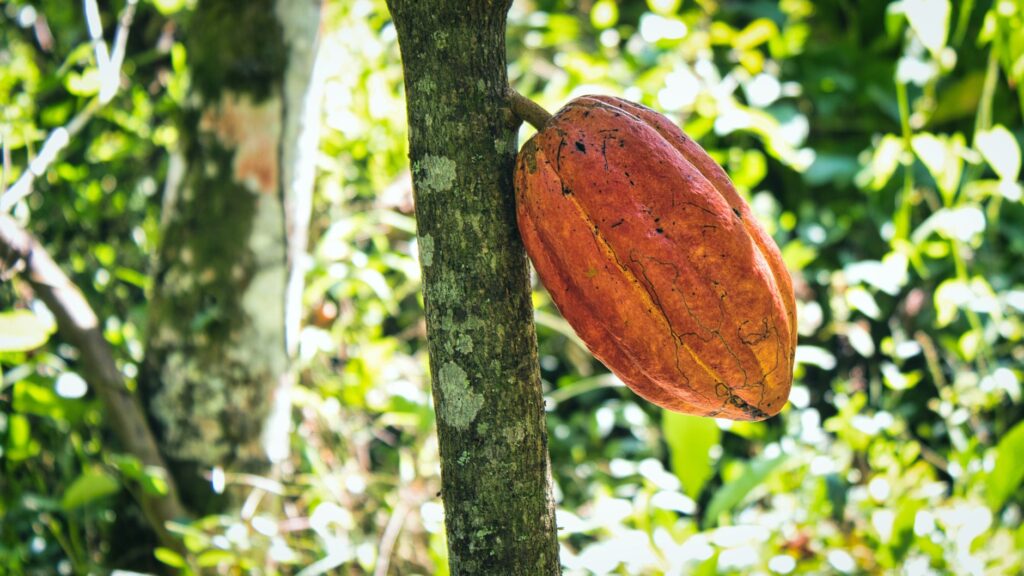
In this article you will discover how a newly identified cacao variety could shield the world’s chocolate supply from disease and climate stress. We will explore the biology behind plant disease resistance, link the discovery to NCERT chapters, and see how this knowledge can help you in NEET and board exams.
Why Cacao is Vulnerable: Disease and Climate Challenges
Major diseases that threaten cacao
Cacao trees are attacked by several fungal pathogens, the most notorious being cacao swollen shoot virus and Phytophthora spp. These diseases cause leaf wilting, pod rot, and ultimately large yield losses. In many producing regions the disease incidence has risen faster than the capacity of farmers to replace infected plants.
Impact of shifting weather patterns
Rising temperatures, erratic rainfall, and increased humidity create ideal conditions for the spread of these fungi. The climate‑change narrative in agriculture explains that warmer, wetter environments accelerate pathogen life cycles, reducing the window for effective control measures.
Economic stakes for growers
Millions of small‑holder farmers depend on cacao for their livelihood. When disease reduces yields, income drops and the supply chain for chocolate narrows, leading to higher prices for consumers and heightened vulnerability for farming communities.
Science Behind Plant Disease Resistance
Genetic variation and resistance genes
Plants possess innate defence mechanisms encoded by specific genes, often called R‑genes. These genes recognize pathogen‑derived molecules and trigger a cascade of protective responses. The concept is detailed in NCERT’s Class 12 Biology chapter on Genetics and Evolution, where allelic variation underlies resistance or susceptibility.
Breeding for resistance
Traditional breeding exploits natural variation by crossing a resistant parent with a high‑yielding but susceptible one. Over successive generations, progeny that inherit the resistance allele and retain good agronomic traits are selected. This method, described in the NCERT chapter “Crop Production and Management,” remains the backbone of many staple‑crop improvement programs.
Role of biotechnology
Modern tools such as marker‑assisted selection and genome editing can accelerate the identification of resistance genes. While the new cacao variety was discovered through conventional screening, its genetic makeup could later be mapped using these biotechnological approaches, a topic covered in the NCERT section on “Genetic Engineering.”
What the Researchers Discovered
Identification of a disease‑tolerant cacao type
The research team reported a cacao variety that shows markedly reduced symptoms when exposed to the common fungal pathogens that devastate plantations. This observation was made after field trials in multiple agro‑ecological zones, indicating a broad‑spectrum tolerance.
Key traits of the new variety
Compared with traditional cultivars, the new type exhibits:
- Lower incidence of pod rot under natural infection pressure.
- Stable yields across a range of temperature and moisture conditions.
- Compatibility with existing farming practices, meaning no major changes in planting density or pruning are required.
Potential for rapid adoption
Because the variety retains the flavour profile prized by chocolate manufacturers, growers can replace susceptible stocks without compromising product quality. The researchers suggest that large‑scale distribution could begin within a few planting cycles, provided seed multiplication is coordinated.
Connecting the Findings to NCERT Syllabi
Relevant chapters in Biology
The discovery touches on several NCERT topics:
- Plant Physiology – understanding how disease stress affects photosynthesis and transpiration.
- Genetics and Evolution – the role of natural variation and selection in developing resistance.
- Crop Production and Management – strategies for integrating a new variety into existing agricultural systems.
Link to Environmental Science
Chapter “Climate Change and Its Impact” discusses how abiotic stressors interact with biotic threats. The cacao case exemplifies the combined effect of pathogen pressure and climate variability, reinforcing the textbook’s emphasis on ecosystem resilience.
Practical laboratory relevance
In school labs, students often examine plant responses to pathogens using model species like Arabidopsis. The cacao example can be used to illustrate real‑world applications of those experiments, especially when discussing disease scoring and resistance scoring methods.
Implications and Open Questions
Securing the chocolate supply chain
If the new variety is adopted widely, the global chocolate industry could experience fewer supply shocks. This would help stabilise prices and protect the incomes of millions of cacao growers.
Socio‑economic considerations
While the variety promises higher resilience, questions remain about seed accessibility, intellectual property rights, and the capacity of small farmers to obtain planting material. Addressing these issues will determine the real impact on rural livelihoods.
Remaining research gaps
Key areas that need further study include:
- Long‑term performance under extreme weather events such as droughts.
- Molecular identification of the resistance genes involved.
- Potential trade‑offs between disease resistance and flavour nuances.
Comparison of traditional and new cacao varieties
| Trait | Traditional Cacao | New Disease‑Tolerant Variety |
|---|---|---|
| Disease incidence (field) | High (30‑50% loss) | Low (≤10% loss) |
| Yield stability | Variable with climate | Consistent across zones |
| Flavor profile | Established | Comparable to premium types |
| Adaptation to moisture stress | Sensitive | Improved tolerance |
| Adoption requirements | Standard practices | Standard practices |
Important Questions for NEET and Boards
- Explain how R‑genes confer resistance to fungal pathogens in plants.
- Describe two major diseases that affect cacao production and their symptoms.
- How does climate change influence the epidemiology of plant diseases? Provide an example.
- Outline the steps involved in conventional plant breeding for disease resistance.
- Identify the NCERT chapters where the concepts of plant disease resistance and crop improvement are discussed.
- Discuss the economic impact of cacao disease outbreaks on small‑holder farmers.
- What are the potential advantages and disadvantages of introducing a new crop variety into existing farms?
- Suggest a practical experiment for class 11‑12 students to demonstrate plant response to a pathogen.
- How can marker‑assisted selection accelerate the development of disease‑resistant crops?
- Critically evaluate why a disease‑tolerant variety might still face adoption challenges.
Frequently Asked Questions
What makes the new cacao variety different from existing ones?
The variety shows a naturally lower susceptibility to the fungal pathogens that cause pod rot, while maintaining yield and flavour characteristics similar to traditional cultivars.
Can the new variety be grown in all cacao‑producing regions?
Field trials indicate it performs well across diverse agro‑ecological zones, but local soil conditions and farm management practices will still influence success.
How does this discovery relate to what we study in NCERT?
It ties together concepts from Plant Physiology, Genetics and Evolution, and Crop Production, providing a real‑world case of how genetic variation and selective breeding protect crops from disease.
Will this new variety eliminate the need for pesticides?
While disease resistance reduces reliance on chemical control, integrated pest management will likely remain important to manage other pests and unexpected pathogen strains.
Key Takeaways
- The new cacao variety exhibits strong resistance to major fungal diseases, offering a safeguard for global chocolate production.
- Plant disease resistance stems from specific genes that recognise pathogen signals, a principle covered in NCERT’s Genetics chapter.
- Conventional breeding, supported by modern biotechnological tools, remains central to developing resilient crop varieties.
- Climate change amplifies disease pressure, making resistant varieties crucial for sustainable agriculture.
- Adoption success depends on seed availability, farmer awareness, and economic incentives.
- Students can link this research to textbook topics, practical lab work, and NEET‑type questions on plant pathology and crop improvement.
- Further studies are needed to map the resistance genes and assess performance under extreme climate events.
For a deeper dive into the study, refer to the original research report.
Source: Read the original research report.
Related Study Material from iBioKaare
- Speciation and Reproductive Isolation: A Detailed Guide for NEET
- Advanced Insights into Microbes in Human Welfare: Beyond the NCERT
- How Gemsbok Expand in New Mexico: Climate‑Change Lessons for Biology
- Genetics and Evolution: Key NCERT Concepts for NEET